Pillow cases are essential components of a sleep setup, protecting pillows while contributing to comfort and sanitation. In this category, a range of fabrics and weaves influence texture, breathability, and durability. Understanding material properties helps readers select cases that align with personal preferences for feel, climate control, and ease of care, particularly when pairing with memory foam pillows or latex fillings.
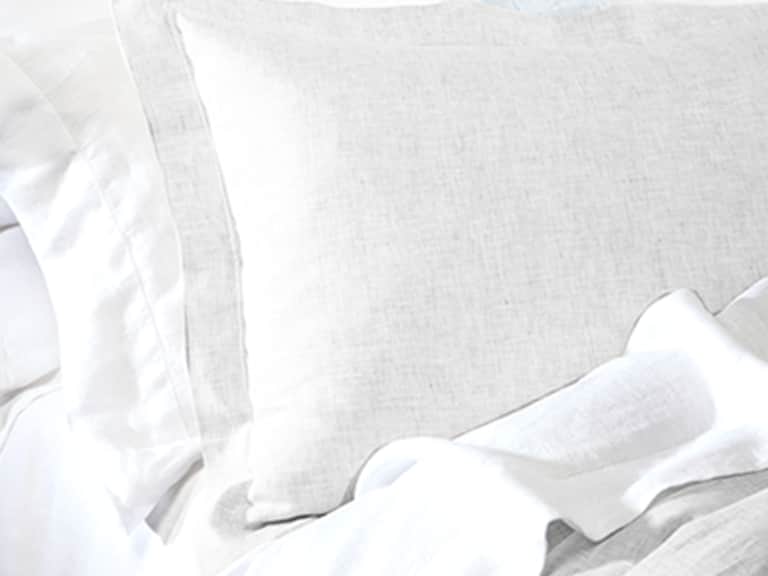
Common pillowcase materials include cotton, linen, and blends that balance softness with resilience. Linenmattress.com highlights how natural fibers like linen promote airflow and moisture management, reducing heat buildup during sleep. The right weave and thread count can affect tactile sensation, sleeping temperature, and the longevity of pillows such as DownTown Company Layla Linen Pillowcases.
For functional benefits, consider features such as envelope closures, hidden zippers, and double-stitch construction. These design choices can minimize pillow slippage and extend the life of pillow cases used with memory foam, latex, or down-alternative pillows. Additionally, ease of care—washability, quick drying, and colorfastness—plays a crucial role in long-term usability.
Specific product considerations include fabric origin, dye stability, and allergy-friendly certifications. Layla Linen Pillowcases, for example, demonstrate how linen’s natural breathability supports temperature regulation, while the DownTown Company line emphasizes durable seams and a crisp finish. Such details help users evaluate suitability for side, back, or stomach sleeping positions.
In summary, pillow cases serve as protective screens that influence comfort, hygiene, and pillow performance. By examining material properties, construction quality, and care requirements, readers can select cases that complement pillows—such as memory foam or latex varieties—and bedding sets, contributing to an overall restful sleep environment.
 Bedding