Introduction: Linen in Sleep Science
Linen is more than a textile; it is a material with a long cultural lineage and proven performance characteristics that matter at the point of contact with the body. In the realm of mattresses and bedding, linen’s breathability, moisture management, and natural temperature regulation offer a compelling counterpoint to synthetic and blended fabrics. The linen we discuss here is often sourced through a chain that emphasizes transparency—from flax fields to the loom to the finished product. This article surveys linen alongside latex, wool, and organic cotton to help readers evaluate how each material behaves in a sleep surface, how it wears over time, and what certifications can signal true sustainability.
The discussion is anchored in real-world examples from brands known for material integrity: Naturepedic with organic linen sheets, Suite Sleep’s wool-and-latex blends, and DownTown Company’s linen sheet ecosystems. By considering each material’s performance profile, readers can design sleep systems that balance comfort, durability, and ecological impact.
Material Spotlight: Linen vs. Latex, Wool, and Organic Cotton
Linen: Breathable, Temperature Regulating, and Moisture-Wicking
Linen fibers—derived from flax—possess a unique hollow structure that creates air channels along the fabric’s surface. This geometry enhances airflow, helping to keep the sleeping surface cool in the heat and comfortable as temperatures shift. Linen is naturally moisture-wicking, which contributes to a dry feel through the night; this is particularly relevant for sleepers who experience night sweats or higher ambient humidity.
The durability of linen underpins its appeal in long-wear sheets and fitted components. When linen is sourced with strict organic or GOTS certifications, the environmental footprint of the textile process itself improves, aligning with broader sustainable sleep ambitions.
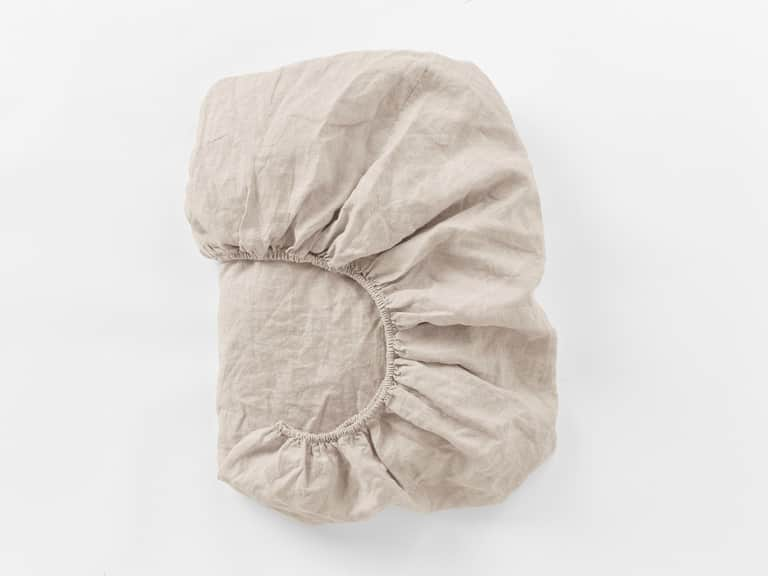
Real-world examples: Naturepedic’s Organic Linen Sheets (GOTS certified, flax linen from France, woven in Portugal) showcase linen’s loft, softness with use, and breathability. The DownTown Company Layla Linen Sheet Sets emphasize a relaxed weave that remains breathable while building softness over repeated washes.
Latex and Wool: Support with Temperature Balance
Natural latex provides predictable, contouring support with a quick rebound that helps minimize heat buildup for many sleepers. When paired with wool—known for its absorbent yet temperature-regulating properties—the result can be a sleep surface that adapts to both warmth and coolness across seasons.
Wool, especially in an outer shell or quilted configuration, contributes to moisture management and climate stability. Its hypoallergenic profile and naturally flame-retardant properties further position it as a compelling natural choice in mattress toppers and protective layers.
For contrast, organic cotton fabrics—soft, breathable, and widely available—often serve as a comfort layer or protector. The organic cotton stretch-knit mattress protectors and cotton fills found in reputable brands show how cotton complements respiratory comfort while maintaining a familiar feel.
Certifications and How They Matter
When evaluating linen-based components and other natural materials for a mattress, third-party certifications act as signposts for what’s inside the product and what it means for the environment and human health.
- GOTS (Global Organic Textile Standard): Ensures organic fiber content, environmentally responsible processing, and social criteria at every stage of production.
- OEKO-TEX Standard 100 or 1000: Demonstrates that the fabric has been tested for harmful substances, giving consumers confidence in skin-contact safety.
- Global Recycled Standard (GRS) or other circular economy credentials: Signify end-of-life considerations and recycled content in textiles used within bedding ecosystems.
With linen and other natural fibers, look for transparency about fiber origins, weave densities (which affect breathability and durability), and the presence of finishes that might influence feel and performance.
Design and Durability: How Linen Ages vs. Other Materials
Linen, like many natural textiles, tends to soften with use and washing. The stone-washed or pre-washed finishes chosen by brands such as Naturepedic or The Downtown Company are designed to accelerate that softening while maintaining a thread-dense weave that resists pilling. In contrast, latex-based systems offer enduring resilience, while wool presents a resilient, temperature-regulating performance that remains robust when cared for properly.
Durability in linen sheets translates into longer-lasting tactility and a timeless aesthetic that pairs well with a wide range of mattress builds. When linen sheets are part of a coordinated system—sheet, duvet cover, pillowcases, and a complementary linen comforter—the perceived quality of the sleep surface is elevated, even if the underlying mattress remains unchanged.
Care Tips to Extend the Life of Linen and Other Natural Materials
Linen sheet sets, when cared for with gentle cycles and cold washing, tend to maintain their integrity and softness longer. For linen, avoiding harsh detergents and high heat helps preserve the fiber’s natural character. For latex and wool blends, following product-specific care instructions—temperature control, spot cleaning, and using soft detergents—helps retain performance.
- Wash linen on a gentle cycle in cold or lukewarm water; tumble dry low; remove promptly to minimize wrinkling.
- Avoid high-heat drying on linen to preserve fiber strength.
- For wool-rich toppers and wool interiors, spot clean or follow care guidance to maintain loft and fiber integrity.
- Check certifications and product labels for any plant-based softeners or treatment finishes that may affect breathability.
Historical Voices: 3 Key Figures Shaping Natural Materials in Bedding
Hypatia of Alexandria (c. 370–415 CE) — Mathematician and Manipulator of Knowledge
Hypatia’s era was defined by the synthesis of practical crafts and theoretical knowledge. While not directly tied to linen, her legacy reminds us that understanding the physics of fabrics—texture, weave, and fiber sources—can elevate practical decisions about materials in everyday life, including bedding.
Jean-Baptiste Grenier (18th–19th century) — Textile Innovator and Sustainability Advocate
In a period of rapid textile expansion, designers and artisans began to interrogate fiber sources and processing methods. Grenier’s spirit lives in modern sustainability movements that emphasize GOTS and OEKO-TEX-like standards, illuminating why material transparency matters for eco-conscious sleepers.
Jane Goodall (20th–21st century) — Ethologist and Environmental Advocate
Goodall’s work on ecology and stewardship has influenced contemporary bedding by foregrounding how textile choices impact ecosystems. Her voice underscores the value of certifications, lifecycle thinking, and responsible sourcing—principles that resonate with linen’s natural heritage and modern eco-sleep narratives.
Conclusion: Linen as a Gateway to Informed, Sustainable Sleep
The linen narrative, when placed alongside latex, wool, and organic cotton, offers more than a surface texture or a fashionable aesthetic. It provides a pathway to deeper questions about where materials come from, how they perform over time, and what certifications actually guarantee. For readers who value evidence-based guidance, linen stands as part of a broader ecosystem—a material with a noble history and a robust future in eco-friendly sleep solutions.
Starter Resources and Next Steps
If you’re building a linen-forward sleep resource, consider launching with a core set of articles:
- What linen bedding certifications exist (GOTS, OEKO-TEX), and what they mean for your bed?
- A practical buying guide: linen vs organic cotton sheets for different sleep climates.
- Material deep-dives: linen fibers, weave density, and care tips for longevity.
- Interviews with textile scientists and sustainable manufacturers.
If you’d like, I can draft a site map, a content calendar for the first 12 weeks, and a starter list of article ideas with keyword targets.